
Innovations & Insights: The Latest in Biomedical Visualization
Our biomedical visualization hub offers insights into the latest innovations, must-read research, and career resources to keep you informed and inspired.
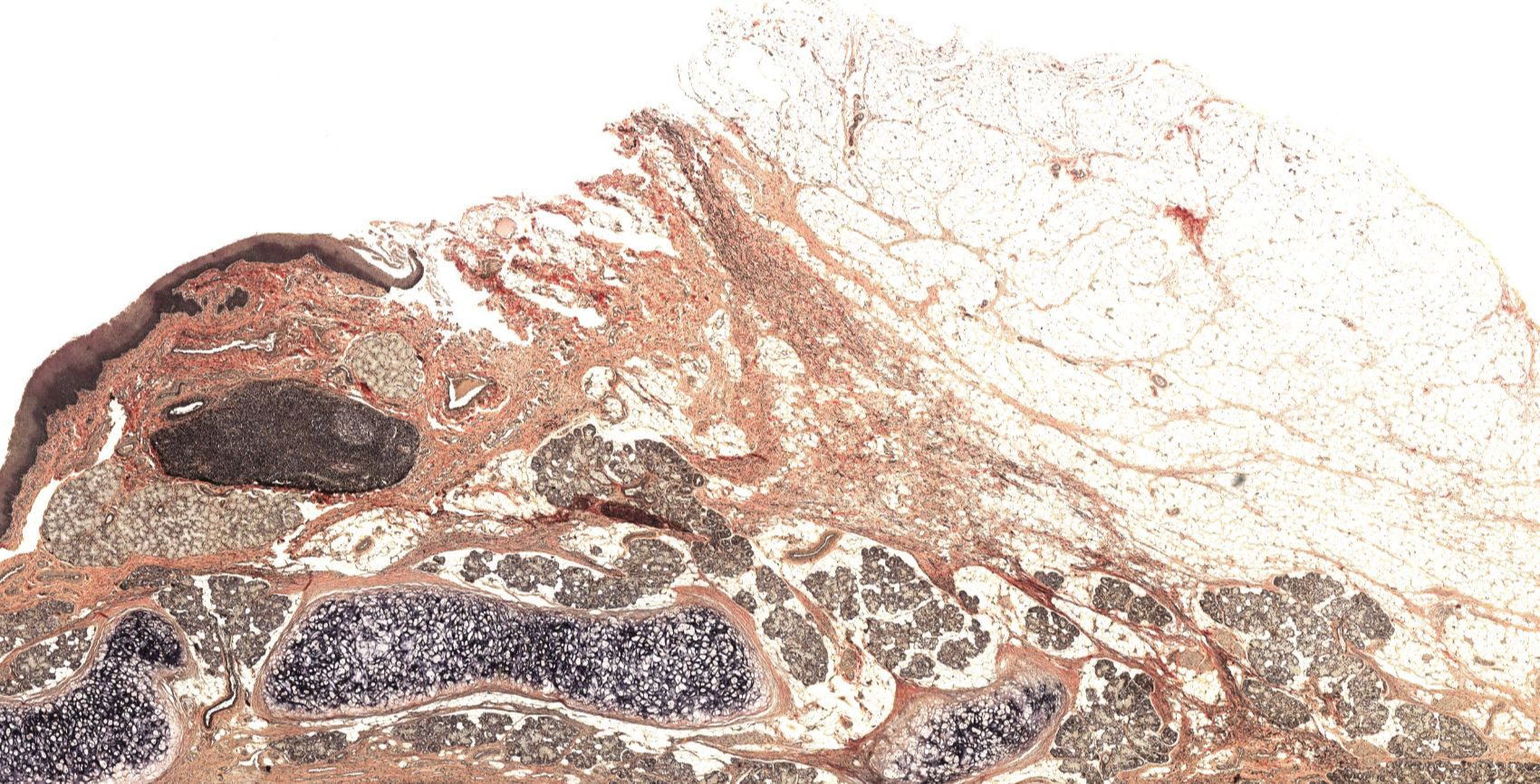
Biomed Blog
Our blog highlights the latest technologies, trends, and key artists, along with essential publications and resources for the academically inclined.
Must-Reads
Stay updated with essential books, research, and industry publications.
AI Code of Conduct—Safety, Inclusivity, and Sustainability
To ensure AI benefits all patients, the industry must prioritize transparency,
continuous monitoring, and diverse representation in AI development…
The use of digital storytelling of patients’ stories….
Digital storytelling in knowledge translation (KT) interventions can
enhance shared decision-making and raise awareness of patients’ health experiences….
A framework to guide storytelling as a knowledge…
This framework helps clarify the goals and audience for the intervention,
while supporting its development and testing.
Career & Learning Resources
Your guide to education, accredited programs, and professional growth.
The Path to Becoming a Medical Illustrator
Becoming a medical illustrator requires a unique blend of artistic skill and scientific knowledge. While there is no single path into the field, most professionals follow a structured education route that includes either formal training in biological sciences, art and digital media techniques, or both.
Accredited Graduate Programs
For those looking to specialize, accredited Master’s programs in medical and biological illustration provide advanced training in anatomy, surgical illustration, 3D modeling, and interactive media. Admission typically requires:
- A bachelor’s degree (commonly in art, science, or a combination of both)
- A strong portfolio showcasing artistic and technical skill
- Coursework in anatomy, biology, and digital media
A list of accredited Graduate programs can be found on the Association of Medical Illustrators (AMI) website.
Additionally, if you are currently at the undergraduate or high school level, it’s important to note that some undergraduate programs specialize in medical and scientific illustration, without requiring graduate-level study. You can explore graduate programs here.
Career Opportunities in Biomedical Visualization
Medical illustrators work in a variety of industries, from medical publishing and animation to surgical simulation and virtual reality development. Some common career paths include:
- Illustration & Animation (for textbooks, journals, and digital media)
- Surgical & Scientific Visualization (creating medical training tools)
- 3D & Interactive Media (VR, AR, and patient education applications)
- Research & Academia (working alongside scientists and educators)
Board Certification & Lifelong Learning
Many medical illustrators pursue Board Certification (CMI) to demonstrate expertise in the field. Continuing education is essential, with opportunities available through AMI conferences, workshops, and online courses.
You are not required to obtain a graduate degree in biomedical visualization or communication to succeed in this field. While advanced degrees can be beneficial—they are not mandatory. Many illustrators refine their skills and portfolios over time, proving their expertise through experience rather than formal education. Success in this field ultimately depends on the strength of your portfolio and how you present your work.
Professional Organizations & Resources
- Association of Medical Illustrators (AMI) – Covers education, certification, and career paths in medical illustration.
- Guild of Natural Science Illustrators (GNSI) – Focuses on science illustration beyond the medical field.
- Medical Artists’ Association of Great Britain (MAA) – A UK-based resource on medical art training and certification.
- European Association of Medical and Scientific Illustrators (AEIMS) – A European counterpart to AMI, supporting professional growth in medical illustration.
Accredited Graduate Programs in Biomedical Visualization
- University of Toronto – Biomedical Communications (BMC)
- Johns Hopkins University – Medical and Biological Illustration
- University of Illinois at Chicago – Biomedical Visualization
- Augusta University – Medical Illustration
- Rochester Institute of Technology (RIT) – Medical Illustration
Free & Low-Cost Learning Resources
- Pixologic ZBrush Classroom – Free training on ZBrush for 3D modeling.
- Coursera – Offers courses in scientific illustration, anatomy, and medical imaging.
- edX – University-level courses in anatomy, physiology, and digital art.
- Visible Body – Interactive 3D anatomy resources for learning visualization.
- Zygote Body – A free browser-based 3D anatomy viewer.