
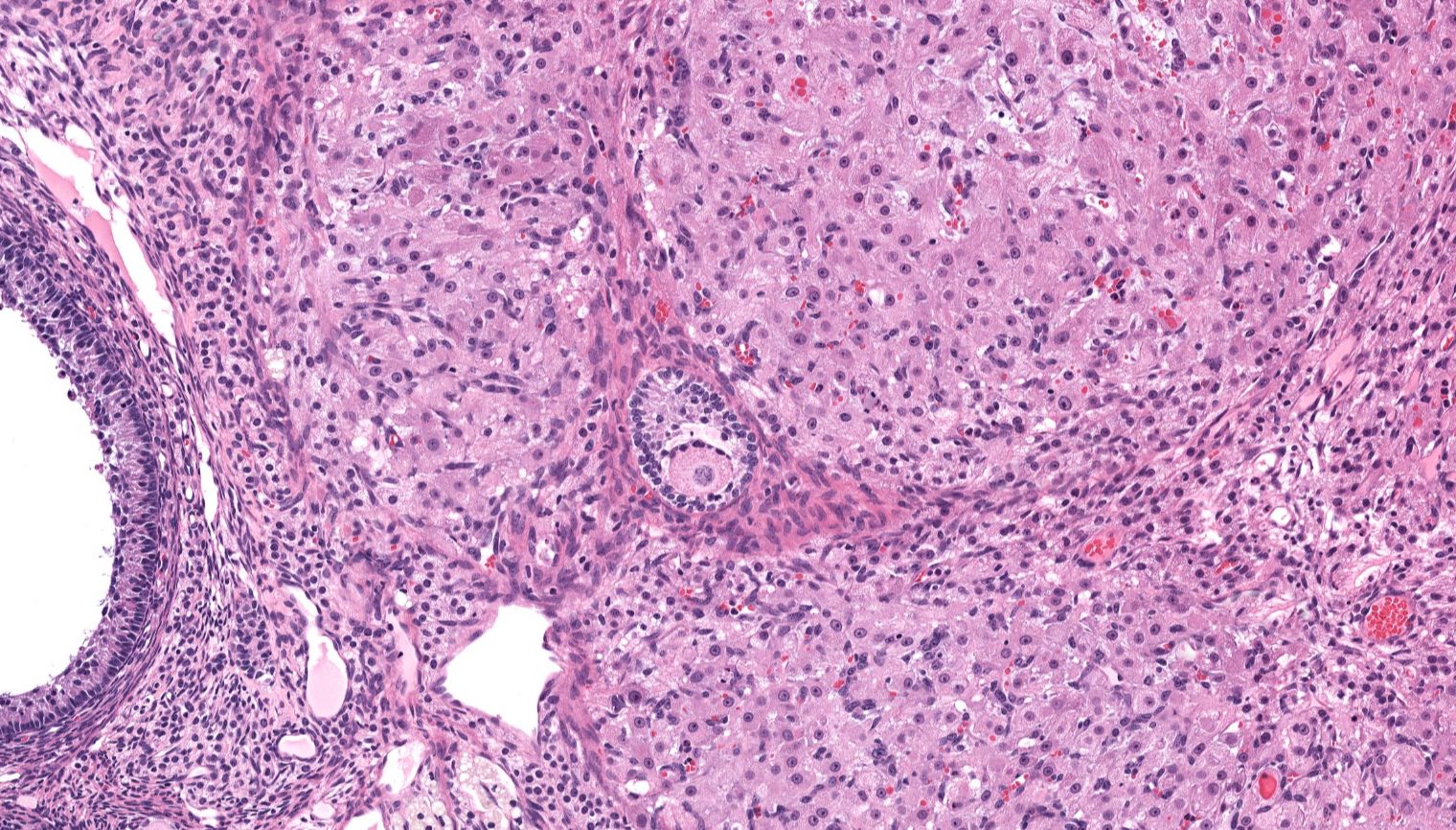
EMBRYOGEN
Revolutionizing Genital Embryology Education
This project, a collaboration between Dr. Valerie O’Loughlin (Indiana University) and my Biomedical Communications capstone team at the UBC HIVE, reimagines how genital embryology is taught. Our goal was to address outdated binary constructs and integrate the latest scientific research into a visually engaging, accessible, and inclusive learning experience for students and educators alike.
Traditional embryology education often oversimplifies genital system development, relying on binary models that fail to reflect biological diversity. Our interactive module addresses this gap, offering a comprehensive, research-backed exploration of genital development with a focus on inclusivity and scientific accuracy. This approach promotes a deeper understanding of human biology while preparing students for real-world healthcare scenarios that require both medical knowledge and empathy.
Developed over 14 months (September 2023 – November 2024), this project brought together a multidisciplinary team of students, faculty, and medical professionals. Using industry-standard tools such as Adobe Illustrator, Photoshop, Animate, and Articulate 360, we created anatomically accurate visuals and animations. The module follows Universal Design for Learning (UDL) principles and Mayer’s principles of multimedia learning, ensuring an accessible and effective educational experience.
Officially launched on the Clinical Anatomy website at the UBC HIVE, this work was presented at Anatomy Connected 2024 and is pending presentation at IAMSE 2025. View the module HERE.
Project Details
Client:
Dr. Valerie O’Loughlin
Director of Undergraduate Medical Education at IUSM-Bloomington
Professor of Anatomy, Cell Biology & Physiology @ Indiana University
Team:
Robyn Cunningham-Dunlop
Bonnie Wang
Kirsten Langereis
UBC Hive Staff contributors: Claudia Krebs, Bailey Lo, and Monika Fejtek.
Audience:
Upper-level undergraduate and first-year MD students
Objectives:
- Develop a comprehensive and inclusive wireframe for an educational module about the embryonic development of internal genitalia, that sets the foundation for future module development.
- Highlight the importance of recognizing and respecting diverse presentations, and preparing students for real-world healthcare scenarios.
- Foster empathy and understanding by showcasing the biological diversity in genital system development.
- Provide an interactive and accessible learning experience that promotes inclusivity, celebrates the richness of human biology, and engages a wide range of learners and learning styles.
Format:
Online Learning Module
Tools Used:
Illustrator, Photoshop, Animate, Procreate, and Miro.
UI/UX Design:
- Universal Design of Instruction (UDI)
- Universal Design for Learning (UDL)
- Web Content Accessibility Guidelines (WCAG) 2.1
- Mayer’s Principles for Multimedia Learning
- Universal Design Principles of Accessibility
- Health equity guidelines and inclusivity models
- Colour theory
My Role:
- Storyboard Artist
- Project Lead
- Researcher
- Illustrator
Ideation and Research
I facilitated the ideation process using a collaborative Miro board, creating a framework for the team to share findings and creative contributions. This platform provided a dedicated space to focus on necessary assets and initiate research for module development, integrating media, design, and interactive insights.
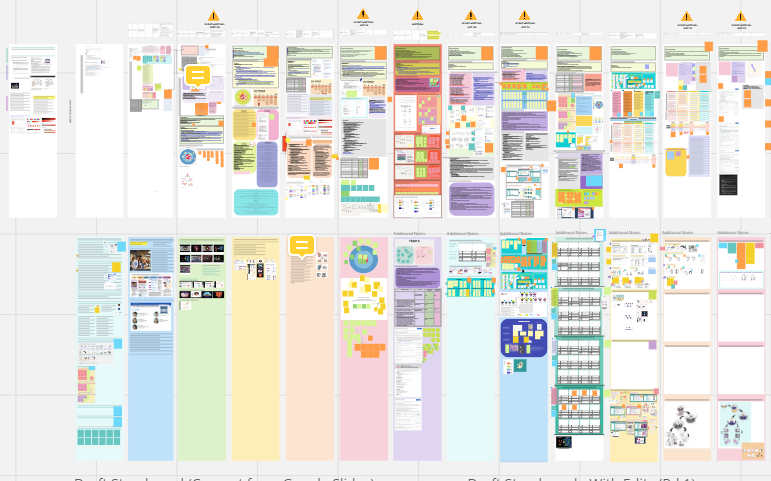
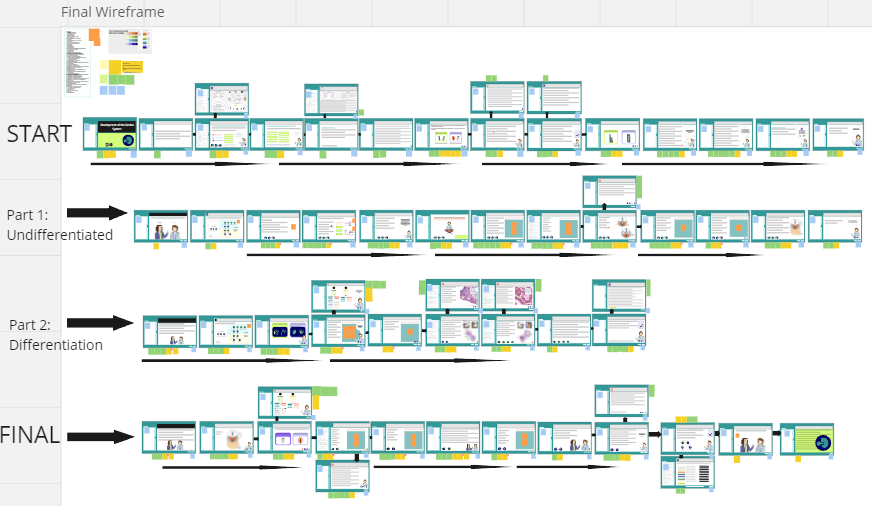
Wireframe Storyboard
- Workflows (2D illustrations, 2D animations)
- Pipelines (2D animations, storyboarding for instructional design)
- User experience testing
- Scientific and design research
- Open communication and support
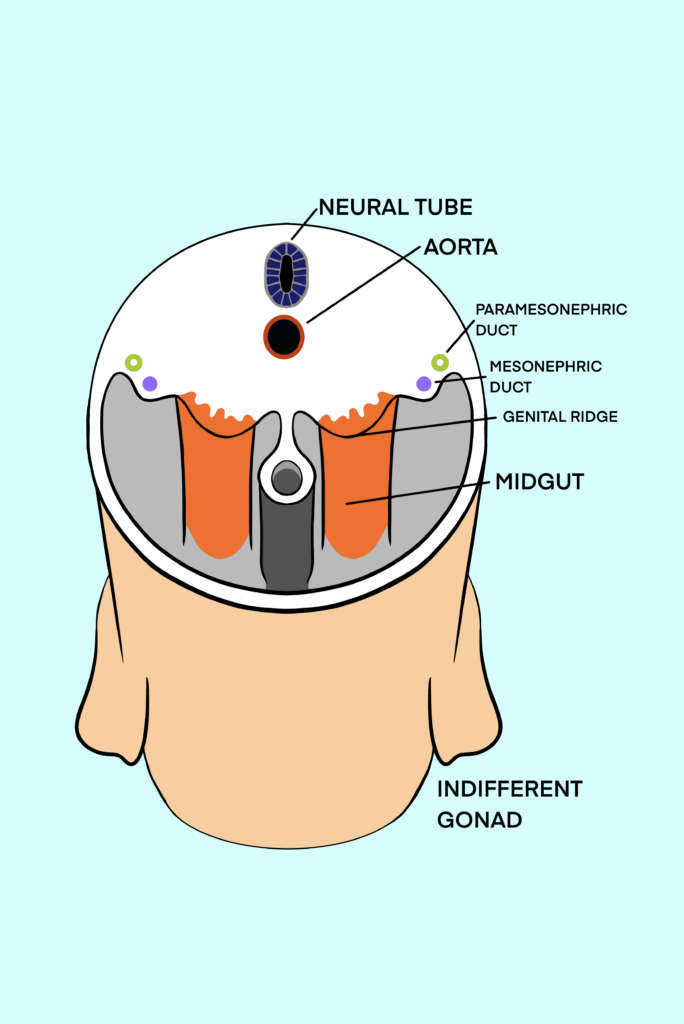
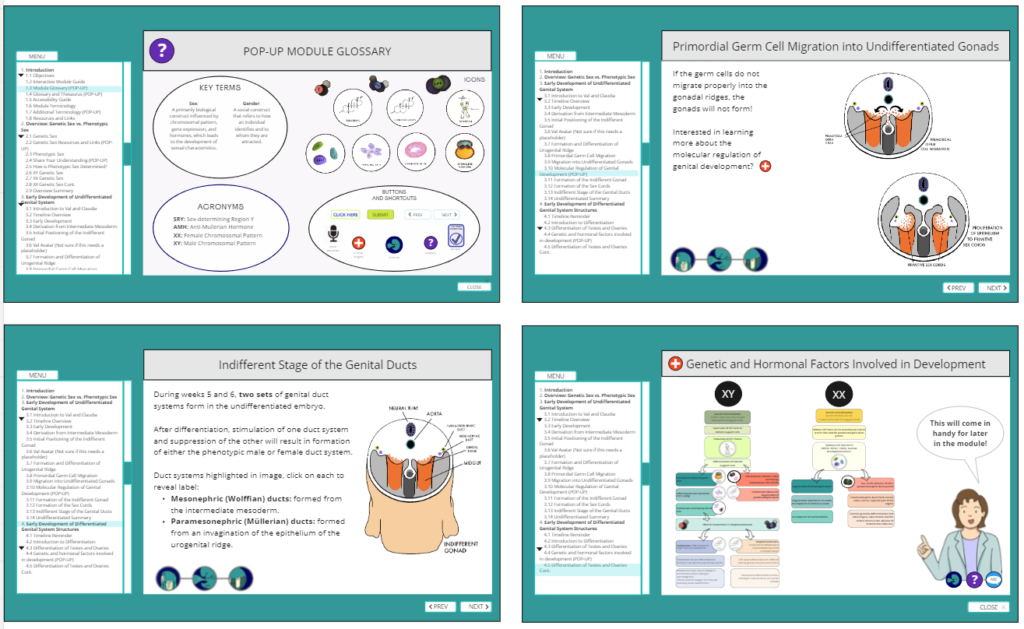
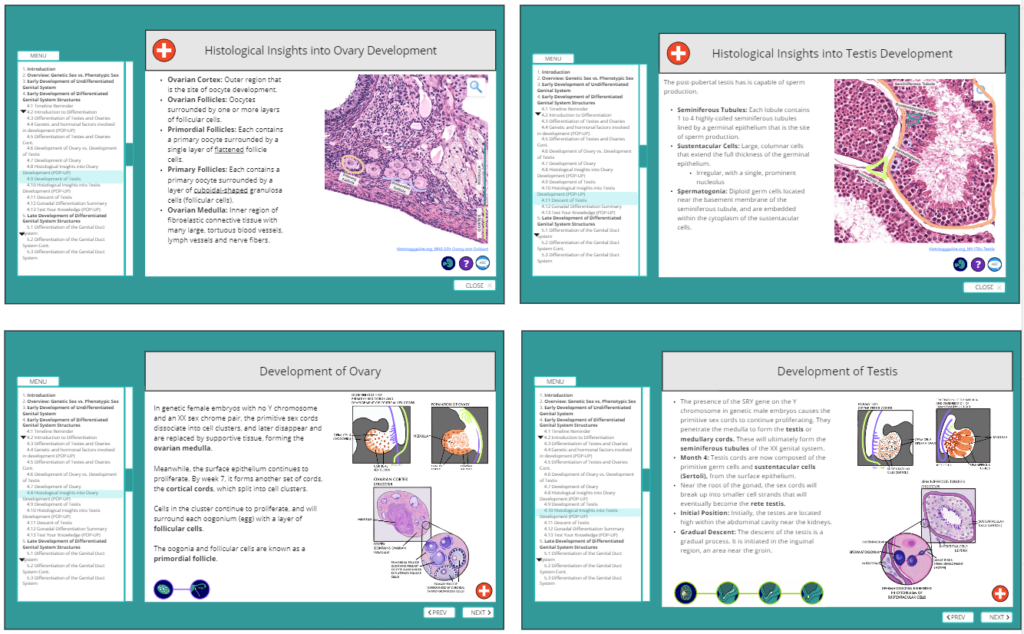
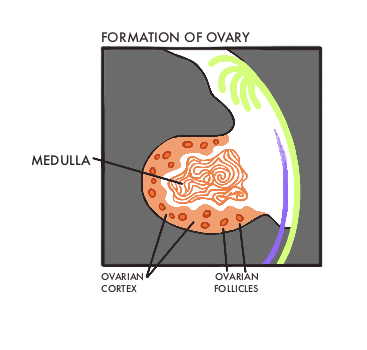
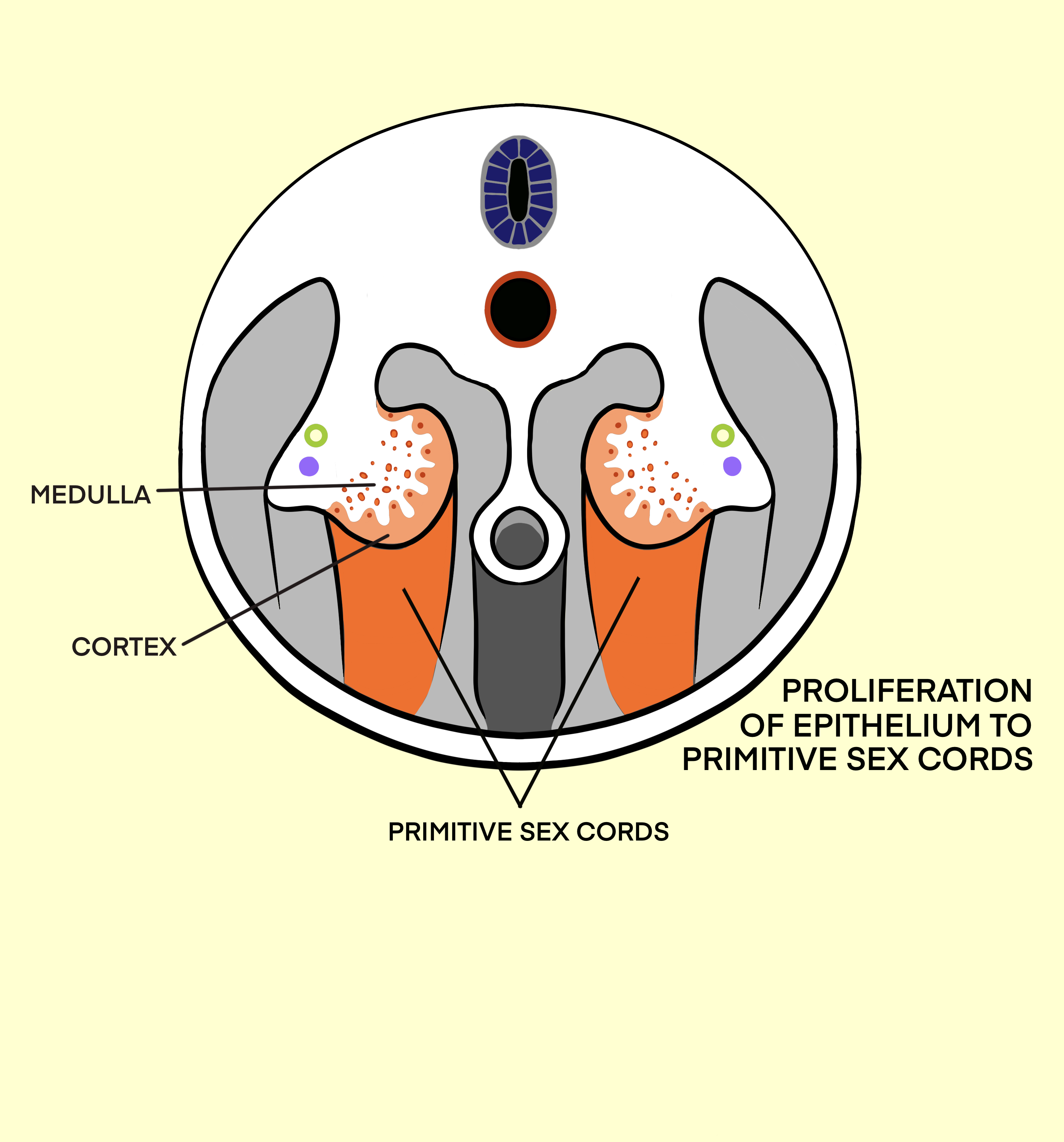
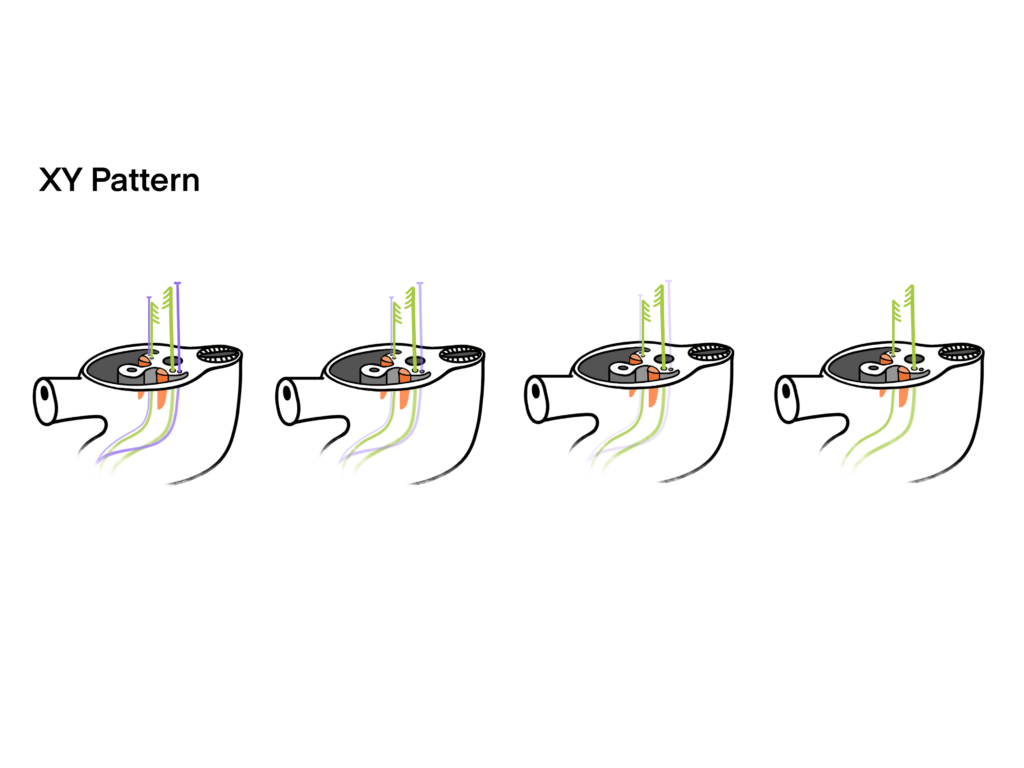
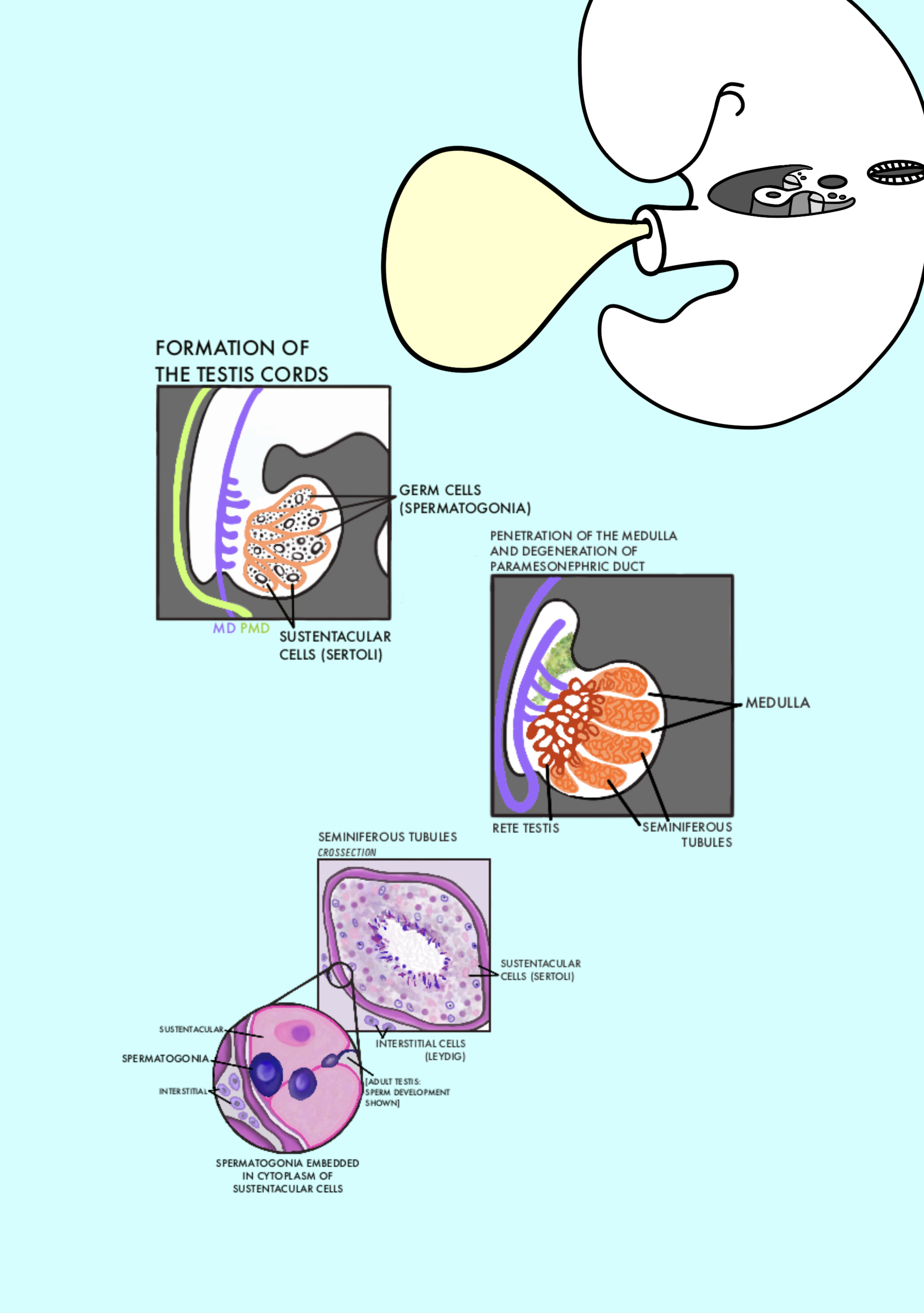
Development of the Genital System

We’d love to connect with you!
RCDesign Lab
A Space for Learning, Collaboration, and Design.